5 Educational Activities for Kids Hidden in Everyday Play
A living-room post office and a shadow mystery can invite learning without making play feel like another worksheet.
By Buybili Editorial Team Published October 2, 2026 7 minutes
An educational activity does not have to look like a lesson. Children can compare, describe, count, predict, and tell stories while running a pretend shop or building a ramp.
These ideas are written for children roughly ages 4–8. Offer an invitation, then follow what interests your child. You do not need to ask a question every minute; sometimes the most useful thing is to play alongside them.
| Activity | An opportunity to explore |
|---|---|
| Pretend post office | Marks, letters and sorting |
| Sort it your way | Grouping and explaining choices |
| Three-picture story | Sequence and storytelling |
| Ramp investigation | Predicting and comparing |
| Shadow mystery | Light and observation |
1Open a living-room post office
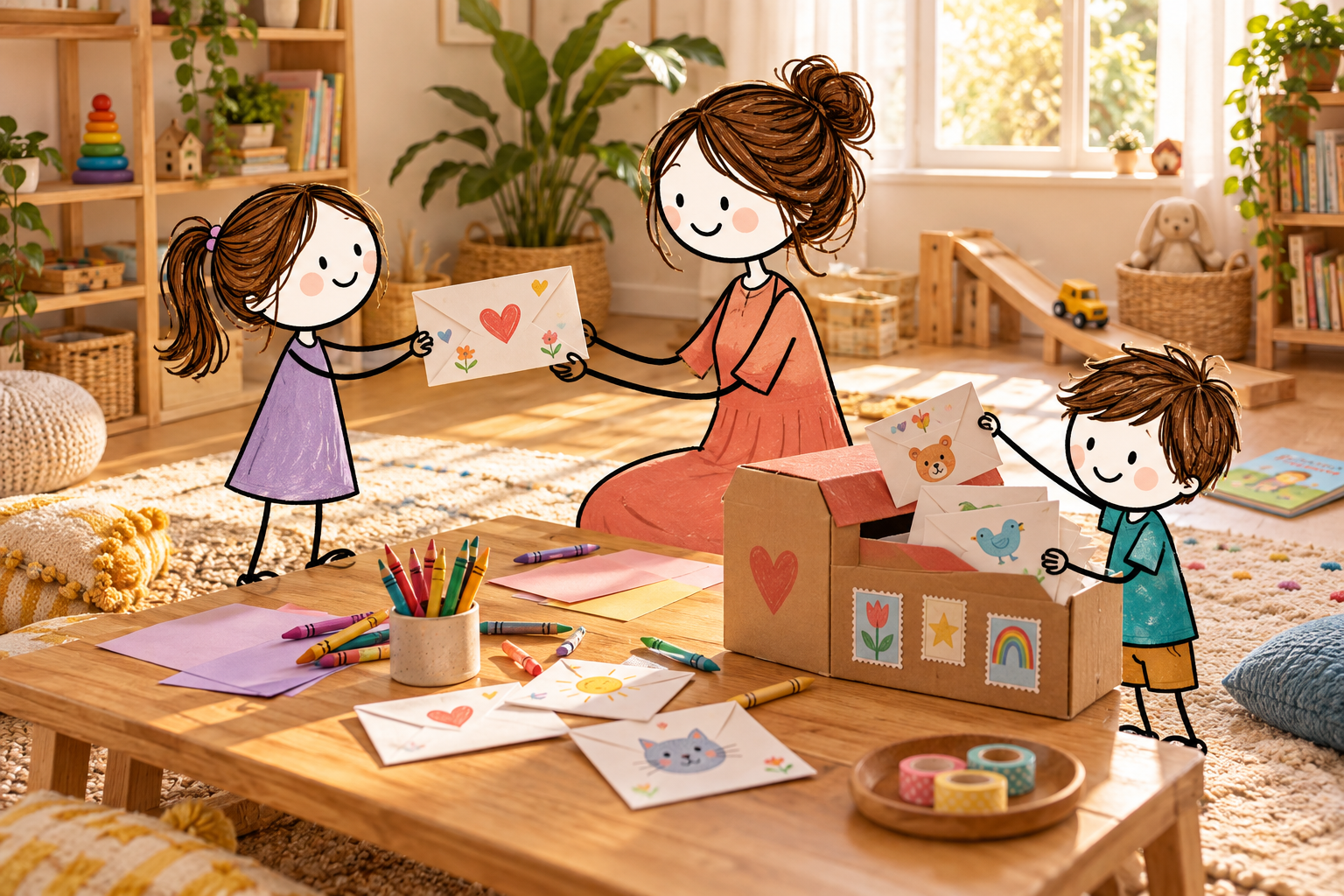
You need: Paper, crayons, large envelopes, and a cardboard mailbox.
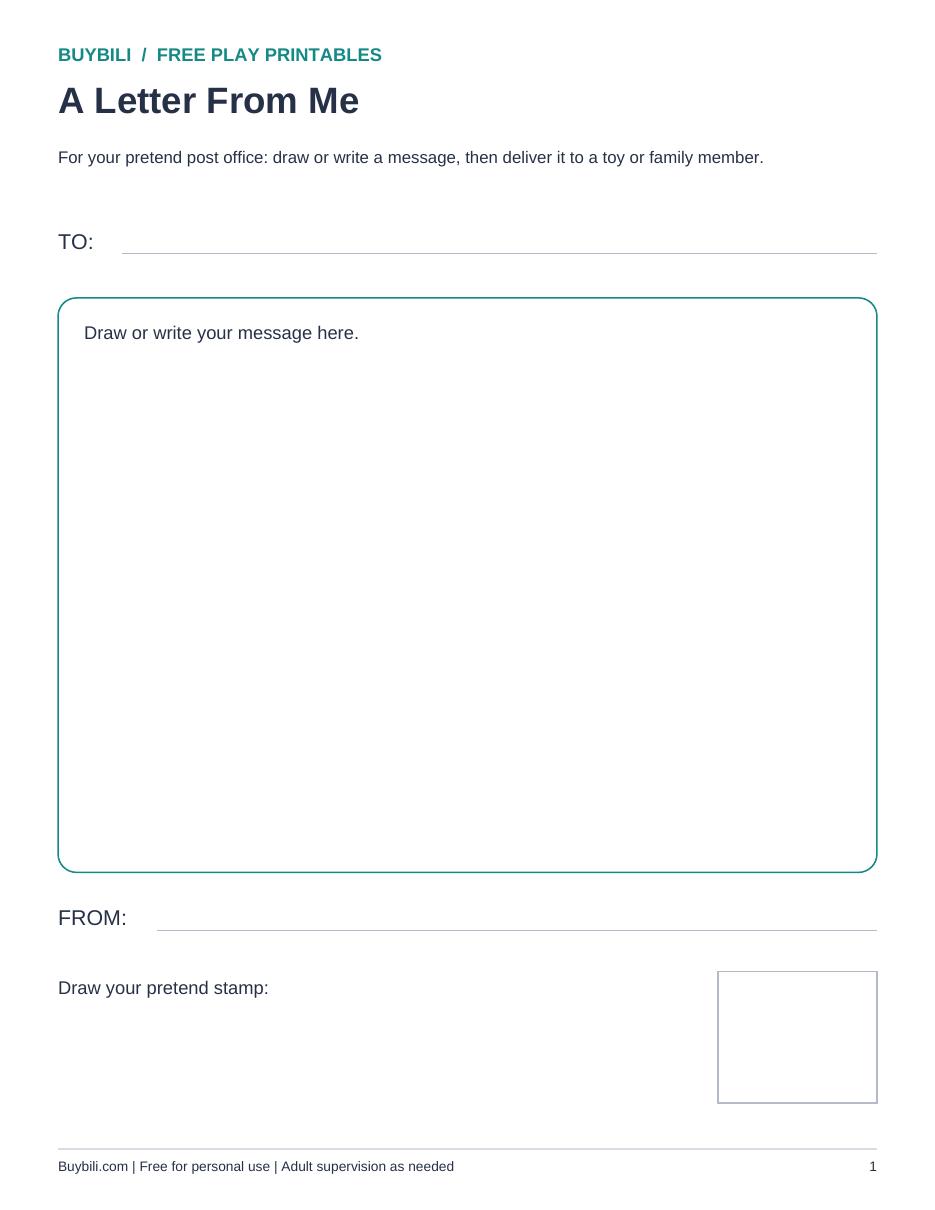
Make three homes for toys. Give each a simple symbol or written name. Your child creates letters and delivers them to the right home.
A younger child might draw a message. An older child might write a greeting or invent a stamp. Ask the toys what they would like to receive: a birthday invitation, a picture, or a joke?
Try next: Sort the letters by destination before delivery.
2Play “sort it your way”
You need: A collection of large, child-safe objects, such as blocks, washable toys, and fabric squares.
Make two groups and ask your child what rule you used. Then invite them to create groups with a different rule: soft and hard, rolling and not rolling, or favorite and unfamiliar.
Their reasoning may surprise you. Ask, “Tell me about this group,” rather than correcting a reasonable choice because it differs from yours.
Try next: Find an object that could belong to more than one group.
3Tell a three-picture story
Draw three simple pictures on separate sheets: a dog, a box, and a tree. Arrange them and make a story together.
Change the order. Does the dog find the box before reaching the tree, or does something fall out of the tree into the box? Your child can dictate while you write, draw the ending, or act it out with toys.
Try next: Add one new picture without changing the beginning.
4Investigate a toy ramp
You need: Stiff cardboard, one or two books, a large age-appropriate toy vehicle, and a clear floor area.
Support the cardboard on a low stack. Before releasing the vehicle, guess where it will stop. Compare a slightly higher and lower ramp using the same vehicle and surface.
Change one thing at a time so the difference is easier to notice. Keep the ramp low and stable; nobody stands or climbs on it.
Try next: Mark stopping points on paper beside the route.
5Solve a shadow mystery
You need: An adult-controlled flashlight, wall, and large opaque objects.
Make a shadow with a wooden spoon or cardboard shape. Move the object closer to the light, then farther away. Describe what changes.
Let your child guess the object from its shadow. Keep the flashlight pointed at the wall, never at eyes, and away from water.
Try next: Draw around a shadow on paper and compare it with the object.
Let the play stay playful
Stop while your child still wants another turn. If they turn the post office into a spaceship, that is an invitation to a new story—not a failed lesson. You can return to the original idea another day.
Free Printable
Get Your Free Educational Play Pages
Print three activity pages: a pretend letter, a first-next-last story sheet, and two sorting mats. Use crayons and large child-safe objects. These pages accompany the post office, storytelling, and sorting activities; the ramp and shadow games need no printable.
Print on US Letter paper. For A4, choose Fit to Printable Area. Free for personal use.
Paper printable for handwriting; not an interactive PDF form. 3 pages.